Buying your first home is a major life milestone. It brings pride, freedom, and responsibility. One of the most important responsibilities is Home Security. Keeping your home safe is not just about locking a door. It is about creating layers of protection that guard your family, your belongings, and your peace of mind. Home Security may feel overwhelming at first, especially with so many devices, systems, and safety tips available. The good news is that once you understand the basics, staying safe becomes simpler and more manageable.
Home Security is not only about preventing theft. It also protects against fire, carbon monoxide, floods, and other real-world dangers. A strong Home-Security plan helps you act quickly during emergencies and prevents small issues from becoming major disasters. For first-time homeowners, building a solid foundation of Home-Security knowledge is just as important as learning how to pay property taxes or maintain the roof.
This guide explains everything you need to know in clear and simple language. You will learn practical Home-Security strategies, real-life examples, and smart choices that help you protect what matters most.
Understanding What Home Security Really Means
Home Security means protecting your home from physical threats, environmental dangers, and digital risks. It includes locks, alarms, lighting, cameras, smoke detectors, and even smart devices that you control with your phone. Many people think Home-Security only means stopping break-ins, but true safety is much broader than that.
A good Home-Security system works in three main ways:
- It deters criminals by making your home look protected
- It detects threats when something goes wrong
- It responds quickly by alerting you and emergency services
For example, a thief may walk past several homes and choose the one without lights, cameras, or alarms. That single decision shows how strong Home-Security can prevent crime without any dramatic action.
For first-time homeowners, understanding this bigger picture is the first step toward building true protection.
Why Home Security Is Critical for First-Time Homeowners
First-time homeowners face risks that they may not think about right away. You may not yet know your neighbors, the crime rate in your area, or how quickly emergency services respond. Until you gain experience, your home may be more vulnerable than you realize.
Here are a few reasons Home Security is especially important for new homeowners:
- You own valuable items like furniture, electronics, and appliances
- You may have children or elderly family members at home
- You are responsible for fire safety and emergency planning
- You may live in a new neighborhood with unknown risks
- Insurance companies often require proper Home-Security measures
A real-life example shows why this matters. A young couple moved into their first home and delayed installing cameras and alarms. Within three months, their garage was broken into, and expensive tools were stolen. After that, they invested in better locks, outdoor lighting, and cameras. They never experienced another security issue. This case shows how early Home-Security planning can prevent hard lessons later.
The Foundation of Home Security Starts With Doors and Locks
Every Home Security plan begins with the basic structure of your home. Doors and locks are the first and most important line of defense.
Choosing Strong Exterior Doors for Home-Security
Exterior doors should be solid and secure. The best choices include:
- Solid wood doors
- Steel doors
- Fiberglass doors with metal cores
Hollow doors are weak and can be broken easily. If your home has a hollow front door, it should be replaced as part of your Home-Security upgrade.
Door frames also matter. Even a strong door is useless if the frame is weak. Reinforced frames and long screws in the hinges and strike plate make forced entry much harder.
Home Security Locks Every Homeowner Must Use
Standard locks are not enough for proper Home Security. You should aim for:
- Deadbolt locks on all exterior doors
- Double-cylinder deadbolts on doors with glass panels
- Smart locks for controlled digital access
Deadbolts add a second locking point that is much harder to force open. Smart locks allow you to lock and unlock doors from your phone and track who enters your home.
A homeowner once shared how a smart lock helped during a vacation. The neighbor needed to enter the house to check on a pet. Instead of hiding a key, the owner sent a temporary code that expired after two days. This is a perfect example of how modern Home-Security balances safety and convenience.
Windows and Glass Protection in Home Security
Windows are one of the most common entry points for burglars. Home Security planning must include proper window protection.
Basic Window Safety for Home Security
Start with these important steps:
- Always lock windows, even on upper floors
- Install window sensors connected to your alarm system
- Use security film to strengthen the glass
- Trim bushes and trees near windows
Security film makes glass harder to shatter, while sensors alert you instantly if a window is opened. Landscaping also plays a role. Overgrown bushes create hiding spots that weaken Home-Security.
Basement Windows and Hidden Risks
Basement windows are often overlooked in Home Security planning. They are usually small, dark, and hidden from view. This makes them attractive entry points. Installing motion sensors, strong locks, and exterior lighting helps close this security gap.
Outdoor Lighting as a Powerful Home Security Tool
Lighting is one of the simplest and most effective Home Security tools. Criminals prefer darkness because it hides their actions. A well-lit home sends a clear message that the property is protected.
Best Outdoor Lighting for Home Security
Good lighting choices include:
- Motion-activated floodlights
- Dusk-to-dawn lighting
- Solar-powered security lights
- Pathway and entryway lighting
Motion lights surprise intruders and draw attention to movement. They are also energy-efficient. Dusk-to-dawn lights stay on all night and create constant visibility.
Real-Life Impact of Home Security Lighting
A homeowner installed motion lights after noticing suspicious activity near the side yard. A week later, the lights turned on when someone approached the fence late at night. The person ran away immediately. No police were needed, and no damage occurred. That is real-world Home-Security in action.
Alarm Systems and Their Role in Home Security
Alarm systems serve as the central nerve system of Home-Security. They connect doors, windows, motion sensors, and emergency alerts into one powerful safety network.
Types of Home Security Alarm Systems
You can choose from:
- Basic burglar alarms
- Monitored alarm systems
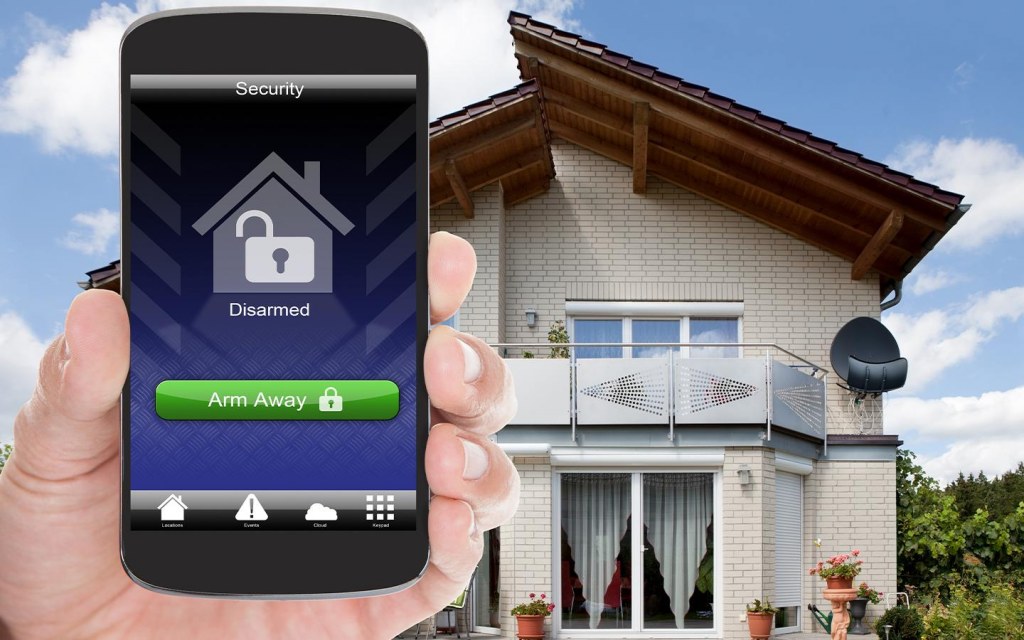
- Smart alarm systems
- Wireless alarm solutions
Monitored systems are connected to a professional service that alerts police during emergencies. Smart alarms connect to your phone and allow full control from anywhere.
Why Alarms Matter for Home Security
Even if an intruder enters your home, the alarm activates immediately. Loud sirens scare criminals and alert neighbors. This combination greatly reduces the chance of theft or harm.
For first-time homeowners, starting with a basic monitored alarm system provides powerful Home Security without being overly complex.
Home Security Cameras and Visual Protection
Cameras have become one of the most popular Home-Security upgrades. They act as both a deterrent and a tool for evidence.
Types of Home-Security Cameras
Modern Home Security cameras include:
- Doorbell cameras
- Indoor cameras
- Outdoor weatherproof cameras
- Wireless battery-operated cameras
Doorbell cameras allow you to see visitors and delivery services from your phone. Indoor cameras help monitor children, pets, and home activity.
How Cameras Strengthen Home Security
Cameras allow you to:
- Watch live video feeds
- Receive motion alerts
- Record suspicious activity
- Share footage with police if needed
A homeowner once caught video of a package thief using a doorbell camera. The footage helped local police recover stolen items and stop repeat thefts in the neighborhood. This shows the wide-reaching power of Home-Security cameras beyond just one home.
Fire Safety and Home-Security Go Hand in Hand
Home-Security is not complete without fire protection. Fires cause more damage to homes every year than burglary in many areas. Smoke detectors and fire planning are critical.
Smoke Alarms and Home-Security
Every home should have:
- Smoke detectors in every bedroom
- Smoke alarms in hallways
- Smoke alarms on every floor
- Interconnected alarms for whole-house protection
Interconnected alarms mean that if one alarm sounds, all alarms sound. This saves lives during nighttime fires.
Fire Extinguishers as Home Security Tools
Fire extinguishers should be placed in:
- The kitchen
- The garage
- Near stairways
First-time homeowners should learn how to use a fire extinguisher before an emergency happens. In a small kitchen fire incident, a homeowner used a fire extinguisher within seconds and prevented what could have become a major disaster. This is another strong example of practical Home-Security in action.
Carbon Monoxide Protection as Part of Home Security
Carbon monoxide is invisible and deadly. It comes from gas appliances, fireplaces, and vehicles in garages. Home-Security includes protection from this silent threat.
You should install carbon monoxide detectors near:
- Bedrooms
- The furnace room
- The garage entry point
Proper ventilation and yearly appliance inspections also strengthen Home-Security against carbon monoxide poisoning.
Smart Home Technology and Modern Home Security
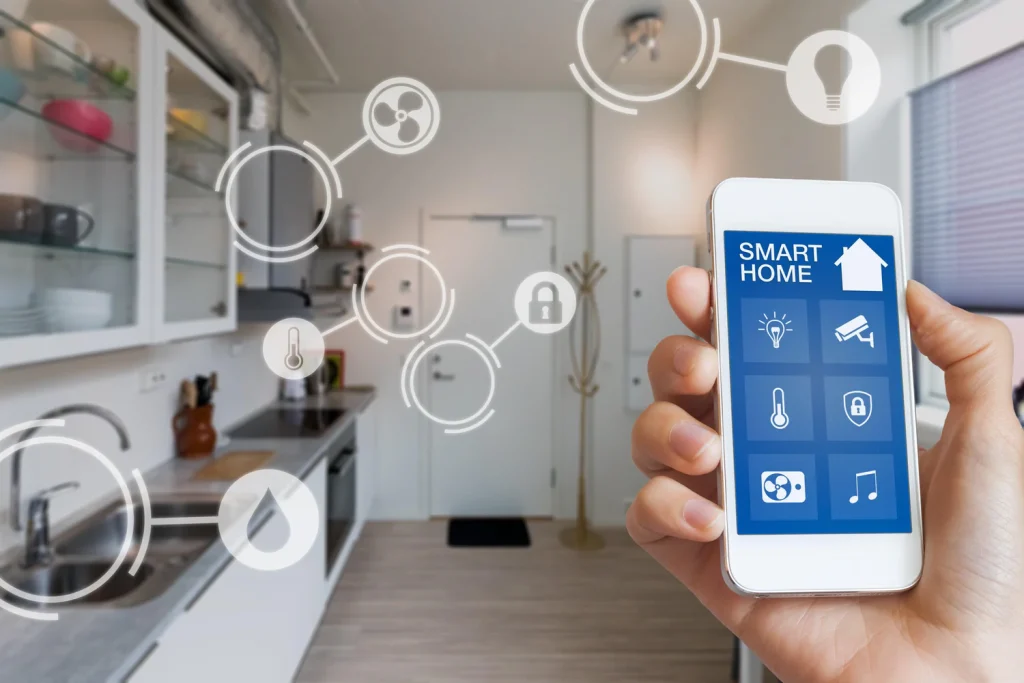
Smart technology has changed how Home-Security works. Phones, apps, and internet-connected devices now allow full control from anywhere in the world.
Smart Devices That Improve Home Security
Here are some of the most useful smart tools:
- Smart locks
- Smart doorbells
- Smart lighting
- Smart alarms
- Smart sensors
These devices let you lock doors, turn on lights, watch cameras, and receive alerts wherever you are.
Convenience and Home-Security Combined
Smart Home-Security is like having a digital security guard that never sleeps. You can check your home while at work or on vacation. If a sensor is triggered, you get an instant alert. This level of control helps first-time homeowners feel confident even when away from home.
Home Security Habits That Make a Big Difference
Technology alone cannot provide complete Home-Security. Daily habits play a major role in keeping your home safe.
Daily Home-Security Habits
Simple behaviors include:
- Always locking doors and windows
- Not hiding spare keys outside
- Picking up mail and deliveries quickly
- Closing garage doors fully
- Turning on lights when leaving at night
These habits may seem small, but they remove opportunities for criminals.
Social Media and Home Security Risks
Many people unintentionally weaken Home-Security by posting vacation plans online. Criminals sometimes monitor social media for empty homes. Waiting until after you return to share travel photos is a smart Home-Security habit.
Garage Safety and Home-Security Awareness
Garages often contain valuable tools, bikes, and vehicles, yet they are sometimes poorly secured.
A strong Hom-Security plan includes:
- Locking the garage door
- Installing motion sensors inside the garage
- Keeping the door from garage to house locked
- Avoiding leaving the garage door open unattended
An open garage is like an open invitation. Many homeowners experience theft simply because they forget to close it for a short time.
Neighborhood Awareness and Community Home Security
Home-Security becomes stronger when neighbors work together. Knowing the people around you increases safety for everyone.
How Community Strengthens Home Security
Neighbors can:
- Watch for unusual activity
- Collect packages when you are away
- Alert you to local crime patterns
- Call authorities if something looks wrong
Neighborhood watch groups are powerful tools in community Home-Security. When criminals see alert communities, they often choose to stay away.
Home Security Insurance and Financial Protection
Home insurance is not a replacement for Home-Security, but it is an important safety net. Many insurance companies offer discounts when homeowners install alarms and cameras. This means Home-Security not only protects lives and property but also saves money.
Insurance documentation also becomes crucial after incidents. Security camera footage and alarm records support claims and speed up recovery.
Creating a Complete Home Security Plan
For first-time homeowners, building a Home-Security plan should happen step by step.
A complete plan includes:
- Door and window protection
- Outdoor lighting
- Alarm systems
- Security cameras
- Fire and carbon monoxide safety
- Smart technology
- Daily safety habits
- Neighborhood awareness
When these layers work together, your home becomes much harder to target and much safer to live in.
Teaching Children About Home-Security
If you have children, Home-Security education should be age-appropriate and practical.
Children should learn:
- Not to open doors for strangers
- How to use emergency numbers
- What smoke alarms sound like
- Where to gather during emergencies
Teaching these lessons early builds lifelong safety awareness and strengthens Home-Security inside the home.
Home Security While Traveling
Travel creates special risks because your home may be empty for days or weeks.
Before leaving, take these Home-Security steps:
- Ask a neighbor to collect mail
- Use smart lights on a schedule
- Set alarm systems fully
- Lock all doors and windows
- Avoid posting your trip online
These steps make your home look lived in and actively protected.
Common Home Security Mistakes First-Time Homeowners Make
Learning from common mistakes helps you avoid expensive problems.
Frequent Home Security mistakes include:
- Relying only on basic door locks
- Forgetting about basement windows
- Leaving spare keys outdoors
- Ignoring smoke detector maintenance
- Not testing alarm systems regularly
Avoiding these mistakes strengthens Home-Security without adding major costs.
The Emotional Side of Home Security
Home Security is not only about hardware and systems. It is also about peace of mind. Knowing that your home is protected allows you to sleep better, travel without worry, and focus on your family rather than fear.
For many first-time homeowners, the emotional comfort that comes from strong Home-Security is just as valuable as physical protection.
Conclusion
Home Security is a responsibility that every first-time homeowner must take seriously. It protects your family, your possessions, and your future. True Home-Security is built on layers of protection, not one single device. Strong doors, secure windows, proper lighting, alarms, cameras, fire safety, smart technology, and good daily habits work together to create a safe home environment.
Real-life examples show that simple changes can stop crimes before they happen. From motion lighting to smart locks, every step you take strengthens your Home-Security. The most important lesson is that safety is not an expense, but an investment in your peace of mind.
By learning these Home-Security basics early, you build a safer home from the very beginning. As you grow into homeownership, these habits and systems will continue to protect you for years to come. Your journey starts at our homepage—check it out today.
FAQs
What is the most important first step in Home Security for new homeowners?
The most important first step in Home Security is securing all exterior doors and windows with strong locks and proper reinforcement. This creates the foundation for all other safety measures.
How much should a first-time homeowner spend on Home Security?
Home Security costs vary based on needs and location, but many homeowners start with a basic alarm system, cameras, and lighting. These provide strong protection without requiring a large budget.
Can smart home devices fully replace traditional Home Security systems?
Smart devices greatly improve Home Security, but they work best when combined with traditional systems like alarms, locks, and fire detectors. Together, they create a stronger and more reliable safety network.