Understanding Heat Pumps and Furnaces
What is a Heat Pump?
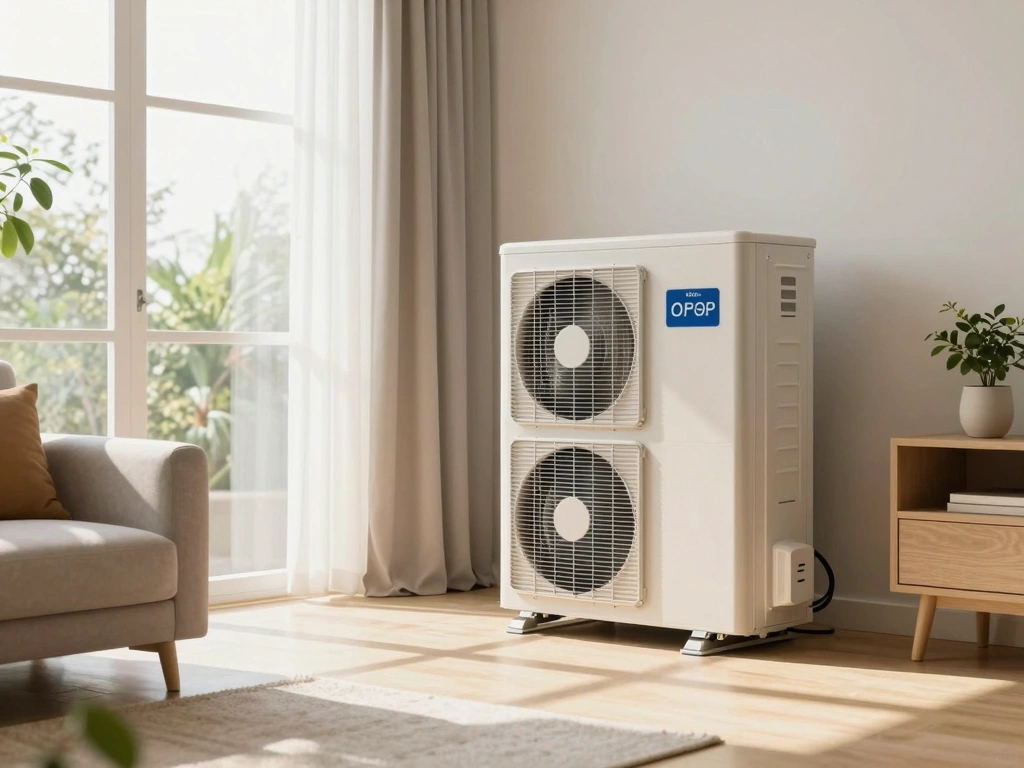
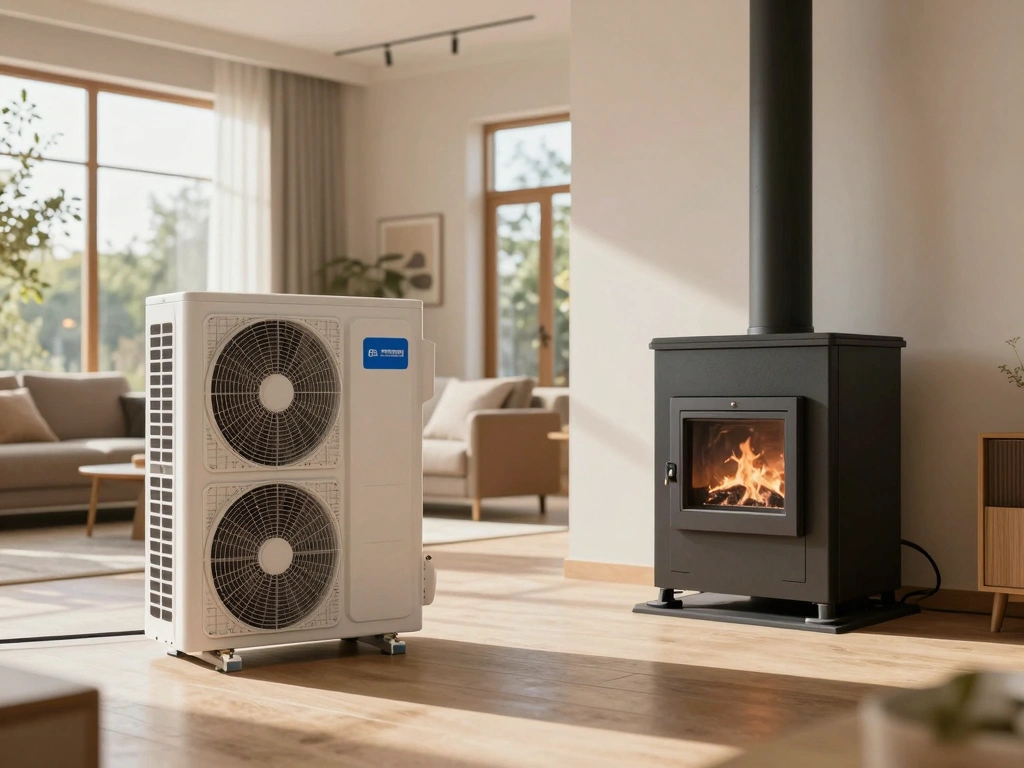
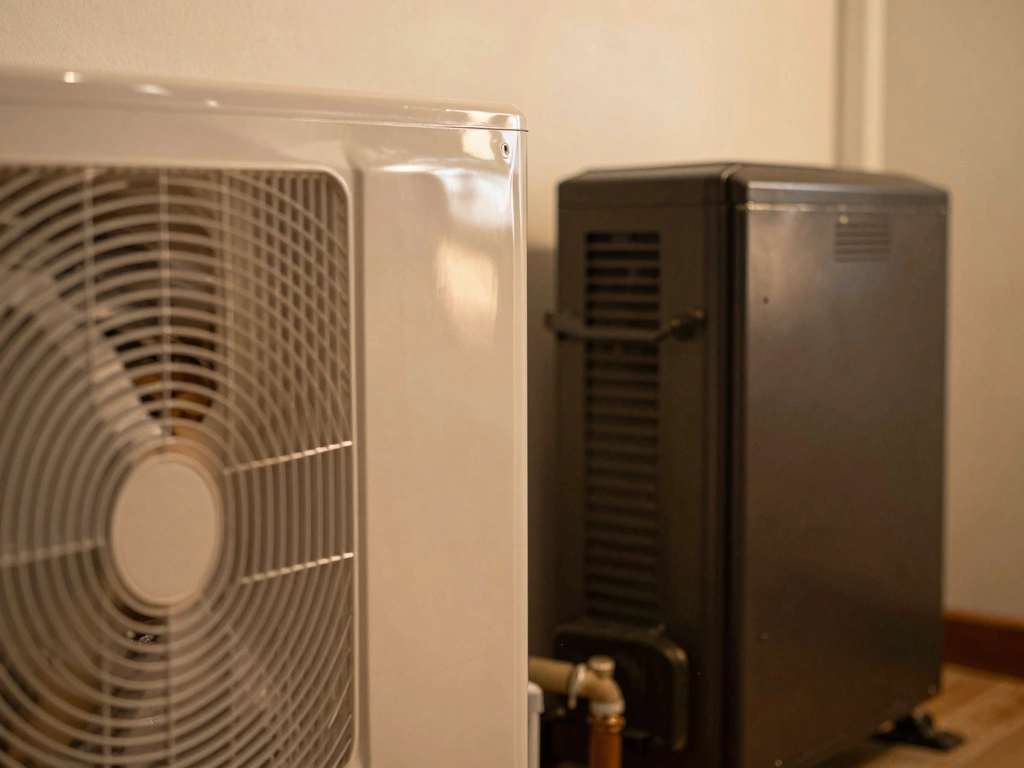
A heat pump is a versatile HVAC system that can provide both heating and cooling for your home. It works by transferring heat rather than generating it through combustion. In the winter, a heat pump extracts heat from the outside air (even in cold temperatures) and brings it indoors. In summer, it reverses this process by removing heat from the inside and releasing it outside. Heat pumps are often praised for their energy efficiency, as they can produce three to four times as much energy as they consume.
What is a Furnace?
A furnace, on the other hand, is a heating system that generates heat by burning fuel (such as natural gas, propane, or oil) or through electric resistance. The heat produced is then distributed through ducts or radiators to warm the home. Furnaces are known for their ability to generate significant heat quickly, making them effective in extremely cold temperatures. However, they typically consume more energy compared to heat pumps, particularly when the outside temperature is low.
Key Differences in Functionality
- Heating Method: Heat pumps transfer heat; furnaces generate heat.
- Energy Source: Heat pumps use electricity; furnaces can use gas, oil, or electricity.
- Seasonal Efficiency: Heat pumps are more efficient in moderate climates; furnaces excel in extreme cold.
Initial Installation Costs
Heat Pump Installation Expenses
The initial installation cost of a heat pump can vary significantly based on several factors, including the type of heat pump and the complexity of the installation. On average, homeowners can expect to pay between $3,500 and $8,000 for a complete heat pump installation. This includes the cost of the unit itself, labor, and any necessary modifications to existing ductwork. For example, a ductless mini-split heat pump may cost between $2,000 and $5,000 per unit, while a central heat pump system can range from $4,000 to $10,000.
Furnace Installation Expenses
The cost of installing a furnace typically ranges from $2,500 to $6,000, depending on the type of furnace (gas, oil, or electric) and its capacity. For instance, a mid-efficiency gas furnace may cost around $3,500 to $5,000, while a high-efficiency model could go up to $6,000 or more. The installation costs may also be influenced by the need for new ductwork or modifications, which can add an additional $1,000 to $3,000 to the overall price.
Factors Influencing Installation Costs
- Type of System: The choice between a heat pump and furnace influences the cost.
- Home Size: Larger homes usually require more powerful, and thus more expensive, systems.
- Existing Infrastructure: The condition and layout of existing ductwork can affect installation costs.
- Local Labor Rates: Labor costs can vary widely based on geographic location.
Operational Efficiency and Costs
Energy Efficiency Ratings of Heat Pumps
Heat pumps are rated by their Seasonal Energy Efficiency Ratio (SEER) for cooling and Heating Seasonal Performance Factor (HSPF) for heating. A higher rating indicates better efficiency. For example, modern heat pumps typically have SEER ratings between 14 and 24 and HSPF ratings from 8 to 13. A heat pump with a SEER rating of 20 can save homeowners approximately 30% on energy costs compared to older models rated at 10 SEER.
Energy Efficiency Ratings of Furnaces
Furnaces are rated by their Annual Fuel Utilization Efficiency (AFUE) percentage, which measures how efficiently they convert fuel into heat. A furnace with an AFUE of 90% means that 90% of the fuel consumed is converted into heat, while 10% is lost. Modern high-efficiency furnaces can have AFUE ratings exceeding 95%, which can significantly reduce energy costs compared to older, less efficient units (often rated around 80% or lower).
Impact on Monthly Utility Bills
The operational costs of heat pumps and furnaces can differ dramatically based on energy prices, climate, and the efficiency of the systems. For example, in a moderate climate, a heat pump may cost about $100 to $150 per month to operate during the winter months, while a furnace may cost around $150 to $200, particularly if it’s an older model. In colder climates, however, the furnace may become more cost-effective due to its ability to generate heat more rapidly in low temperatures.
Maintenance and Repair Costs
Routine Maintenance for Heat Pumps
Heat pumps require routine maintenance to ensure optimal performance, which typically includes cleaning the coils, checking refrigerant levels, and inspecting electrical components. Annual maintenance costs can range from $150 to $300. Additionally, since heat pumps have both heating and cooling components, they may require more frequent servicing than a furnace, especially in regions with high usage.
Routine Maintenance for Furnaces
Furnaces also require regular maintenance, including filter replacements, duct cleaning, and inspections of gas lines and burners. Annual maintenance costs for furnaces generally fall between $100 and $200. Compared to heat pumps, furnaces might have lower maintenance needs since they primarily function as heaters and do not have cooling components.
Common Repair Costs Comparison
Repair costs can vary widely between heat pumps and furnaces. Heat pumps may incur repair costs of $200 to $600 for issues such as refrigerant leaks or compressor failures. In contrast, furnace repairs, such as fixing a faulty ignition system or replacing a blower motor, can range from $150 to $500. Over time, the higher complexity of heat pumps might lead to more frequent repairs, impacting the overall lifetime cost.
Long-Term Cost Considerations
Expected Lifespan of Heat Pumps
Heat pumps typically have a lifespan of 10 to 15 years, depending on the type and how well they are maintained. Ductless mini-split systems may have slightly shorter lifespans, while well-maintained central heat pumps can last longer. Factors like installation quality, usage patterns, and local climate can all influence longevity.
Expected Lifespan of Furnaces
Furnaces generally have a longer lifespan, often lasting 15 to 30 years with proper maintenance. Gas furnaces tend to have a longer lifespan compared to electric models, which may need replacement sooner due to their components. Just like heat pumps, regular maintenance is key to achieving maximum lifespan.
Overall Lifetime Cost Analysis
When comparing the lifetime costs of heat pumps and furnaces, several factors should be considered, including installation costs, operational efficiency, maintenance, and lifespan. For example, if a heat pump costs $6,000 to install and has an average lifespan of 15 years with annual operating costs of $1,500, the total cost over its lifetime would be approximately $30,000. In contrast, a furnace that costs $4,000 to install with an average lifespan of 20 years and annual operating costs of $1,800 would total about $40,000 over its lifetime.
Thus, while heat pumps may have higher initial installation costs, their operational efficiency often leads to lower utility bills, making them a cost-effective option in the long run, particularly in moderate climates. Conversely, furnaces can be more cost-effective in extremely cold regions where their rapid heating capabilities offer significant advantages.